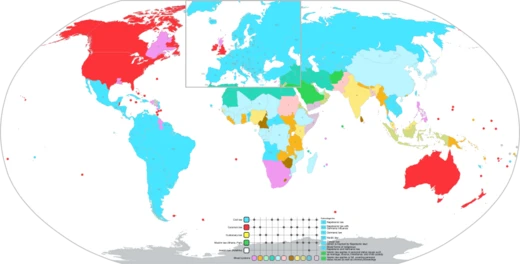
Bar council
Professional body regulating barristers in split common law jurisdictions; not analogous in fused jurisdictions.

Wasiul Bahar · CC BY-SA 4.0
A bar council (Irish: Comhairle an Bharra) or bar association, in a common law jurisdiction with a legal profession split between solicitors and barristers or advocates, is a professional body that regulates the profession of barristers. In such jurisdictions, solicitors are generally regulated by the law society. In common law jurisdictions with a fused profession (where there is no distinction between barristers and solicitors), the professional body is typically a single entity, such as a Law Society, which regulates all legal practitioners; the term 'Bar Council' in such a context is not analogous to its role in a split jurisdiction.
- field
- Legal profession regulation
- known_for
- Regulating barristers in split legal profession jurisdictions; distinct from fused profession regulators
- type
- Professional body
- jurisdictions
- Common law jurisdictions with split legal professions; not analogous in fused jurisdictions
Lore & Background
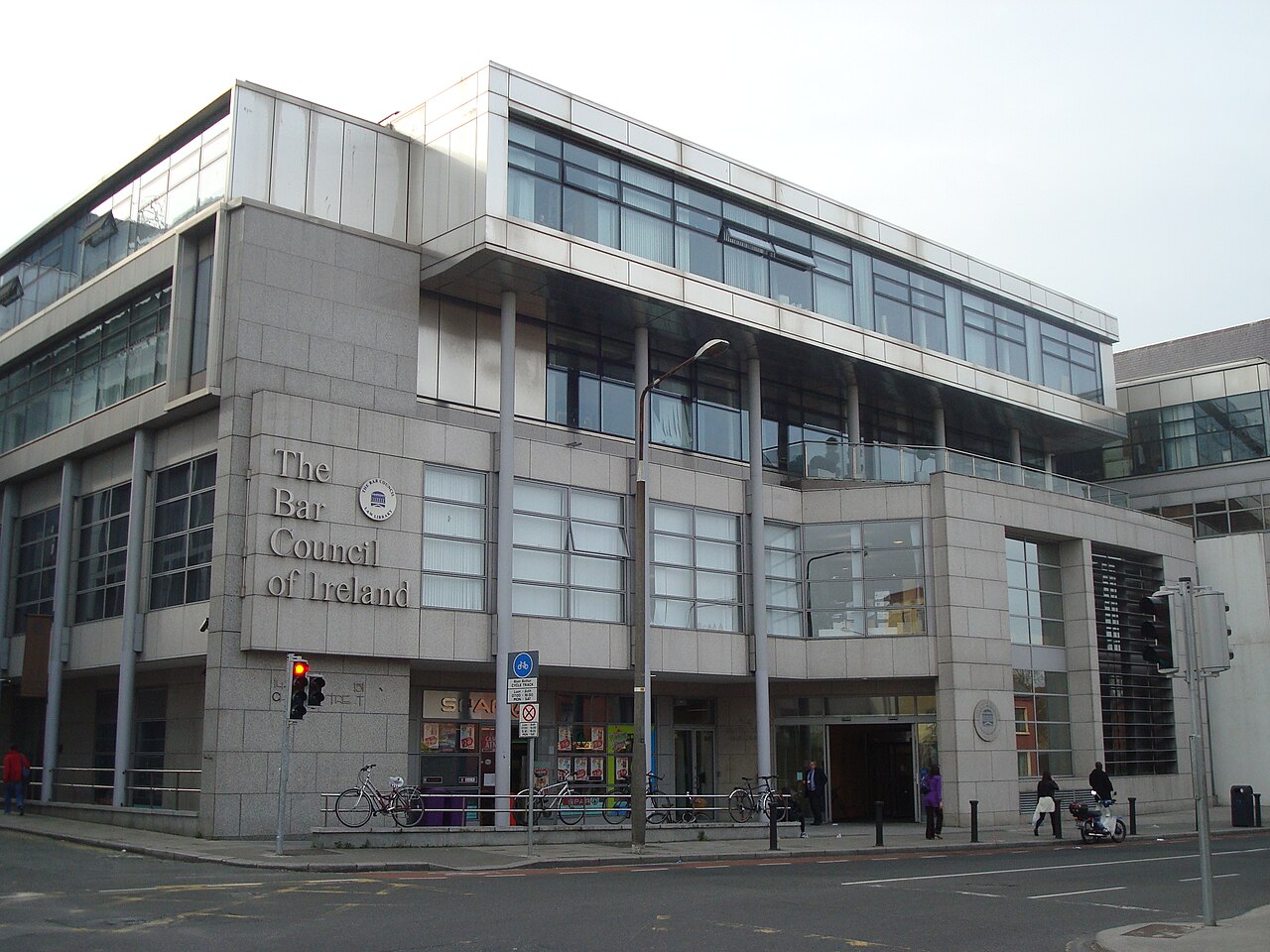
Bar councils exist in common law jurisdictions where the legal profession is split between solicitors and barristers or advocates. They serve as the regulatory body for barristers, while solicitors are generally regulated by a law society. Examples include the General Council of the Bar for England and Wales, the Bar Council of Northern Ireland, and the Bar Council of Ireland (the professional body for barristers, while King's Inns is the educational and admissions body, not a co-regulator). In fused profession jurisdictions, the regulatory body is a single entity—such as a Law Society—that oversees all lawyers, and the term 'Bar Council' is not used in the same sense.
Reader's Guide
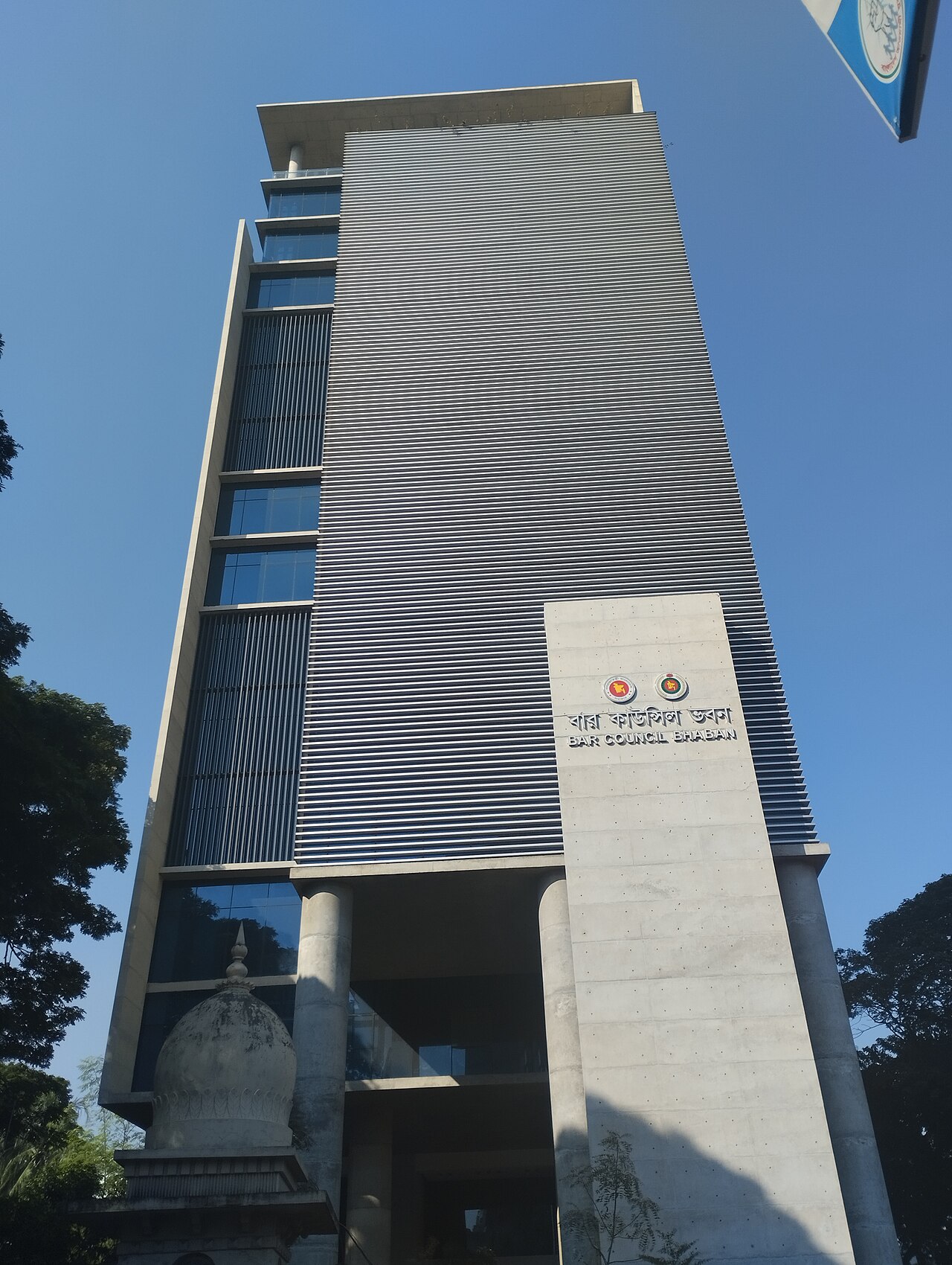
Bar councils and bar associations are significant because they maintain professional standards for barristers in split legal profession systems. They appear in jurisdictions such as Australia (with separate bodies for each state and territory), Bangladesh, Pakistan (including provincial councils), South Africa (including the General Council of the Bar of South Africa and the Johannesburg Society of Advocates), and Hong Kong. In fused profession jurisdictions, the same functions may be performed by a Law Society, Bar Council, or bar association. The source article lists numerous examples but does not provide historical dates, founding figures, or specific regulatory powers.
Did You Know?
- In split legal profession jurisdictions, bar councils regulate barristers while law societies regulate solicitors.
- In fused profession jurisdictions, the professional body is a single regulator (e.g., a Law Society) for all lawyers, and the term 'Bar Council' does not carry the same meaning as in split jurisdictions.
- The General Council of the Bar for England and Wales is commonly known as the Bar Council.
- The Legal Practice Council in South Africa regulates all lawyers, not just barristers.
Gallery



Frequently Asked Questions
What is a Bar council?
A Bar council (Irish: Comhairle an Bharra) is a professional regulatory body that oversees the practice of barristers in common law jurisdictions where the legal profession is divided into two distinct branches—barristers and solicitors.
What are the Bar council's powers and role?
Its core function is to regulate the barrister profession: setting admission standards, enforcing professional conduct rules, and maintaining the disciplinary framework for advocates. It operates as the governing authority specifically for that half of the split legal profession.
How does a Bar council differ from a Law Society?
In split-profession jurisdictions, the Law Society handles solicitor regulation while the Bar council handles barrister regulation, making them parallel but separate bodies. In fused-profession jurisdictions, a single entity such as a unified Law Society covers all practitioners, so the Bar council concept simply does not apply.
Why is the Bar council important to the legal system?
It preserves the distinct identity and professional standards of the advocacy branch, ensuring that barristers are held to their own code of ethics separate from solicitors. Without it, the two-track structure of common law legal professions would lack a dedicated regulatory anchor for its advocates.
In which jurisdictions does a Bar council exist?
It is found in common law countries that maintain a formal split between barristers (or advocates) and solicitors, such as Ireland, England and Wales, and several Commonwealth nations. Jurisdictions with a fused profession—where no such split exists—do not have a Bar council in the traditional sense.
More in Legal Systems & Courts 1-24
Elsewhere in the Legal Systems & Courts universe
Spotted an error? Know more?
This is a living reference — every entry is fact-audited, and reader corrections feed straight into our audit queue. Suggest an edit · See this site's audit record