Chief justice
Presiding member of a supreme court in common law systems.

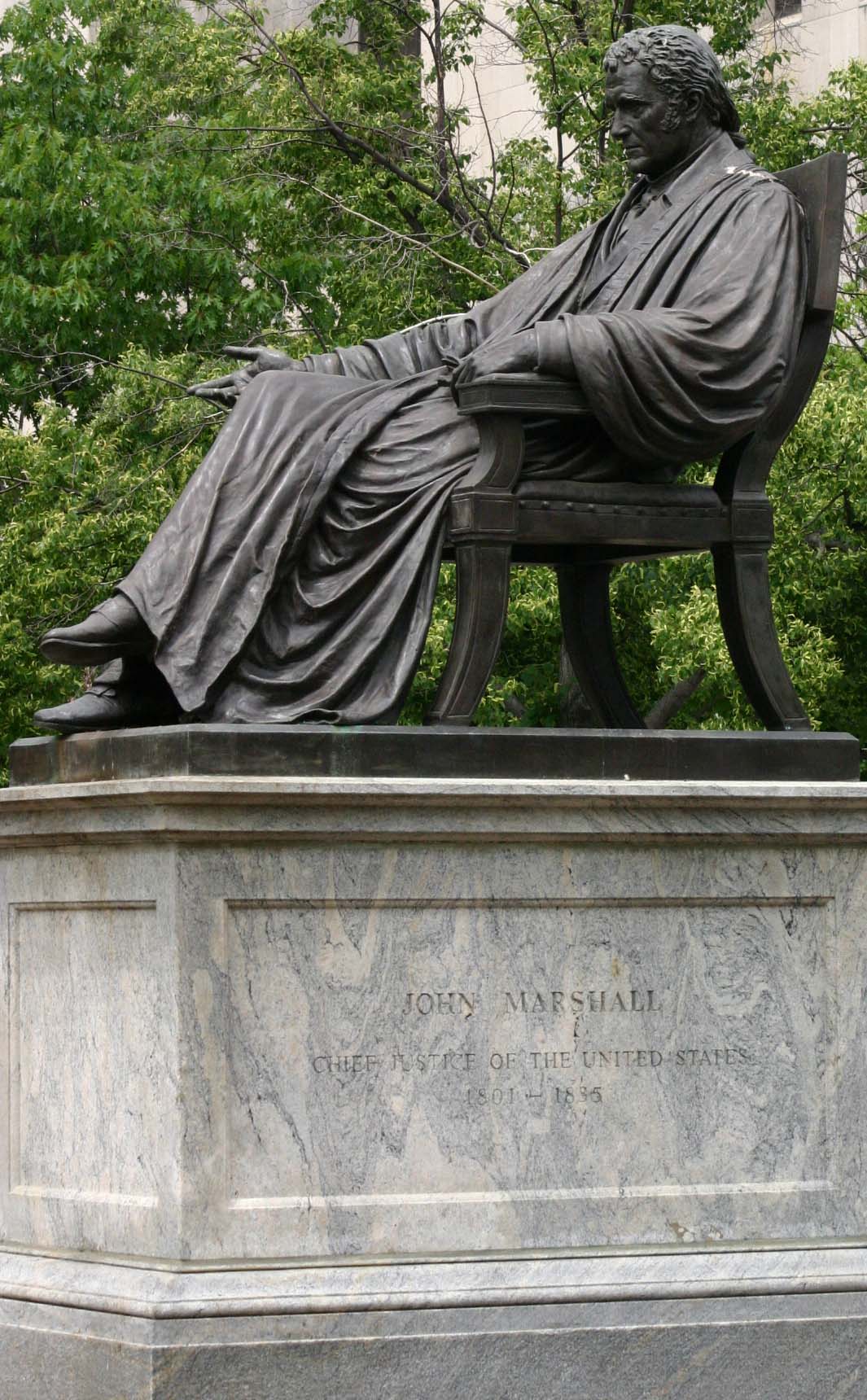
dbking from Washington, DC · CC BY 2.0
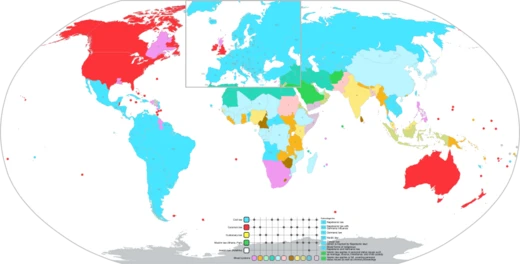
The chief justice is the presiding member of a supreme court in many countries with a justice system based on English common law, as well as in provincial or state supreme courts or high courts. In some jurisdictions, the title differs, such as President of the Supreme Court, Lord Chief Justice, or Lord President of the Court of Session. The chief justice's personal ruling is equal in weight to the rulings of any associate judges on the court.
- field
- Judiciary
- known_for
- Presiding over supreme courts and performing additional state duties such as swearing in high officers of state
Lore & Background
The chief justice serves as the head of a supreme court in many countries, including those with English common law heritage. In the United Kingdom, the three legal jurisdictions have separate heads: the Lord Chief Justice of England and Wales, the Lord Chief Justice of Northern Ireland, and the Lord President of the Court of Session (also Lord Justice General of Scotland). These judges are not part of the Supreme Court of the United Kingdom, which is headed by the President of the Supreme Court of the United Kingdom. The selection of a chief justice varies. In many nations, the position is given to the most senior justice of the court. In the United States, the chief justice is appointed by the President, subject to approval by the Senate. The title by statute is Chief Justice of the United States, though 'Chief Justice of the Supreme Court' is often used unofficially. In some courts, the chief justice has a different title, such as President of the supreme court, or the court has a different name, such as the Supreme Court of Judicature in colonial Ceylon, the Constitutional Court of South Africa, or the Supreme Court of Appeals of West Virginia. Beyond litigation, the chief justice may have additional responsibilities, such as swearing in high officers of state. For example, the Chief Justice of the United States traditionally administers the oath of office at the presidential inauguration, and the Chief Justice of South Africa does so for the President of South Africa. In some countries, the chief justice is second or third in line to the office of president or governor general. In Canada, if the Governor General is unable to perform duties, the Chief Justice of Canada performs them. In India, if the President and Vice-President are unable to discharge functions, the Chief Justice of India acts as Officiating President.
Reader's Guide
The chief justice holds a central role in the judiciary of many common law nations, presiding over the highest court and often carrying additional constitutional duties. Their rulings carry equal weight to those of associate justices, but their position carries unique ceremonial and administrative functions. For instance, the chief justice may swear in heads of state or act as interim head of state in the event of a vacancy. The selection process varies: some nations appoint the most senior justice, while others, like the United States, involve political appointment and legislative approval. The title itself is not uniform; it may be 'President of the Supreme Court' or 'Lord Chief Justice' depending on the jurisdiction. The chief justice's significance lies in their leadership of the judicial branch, their role in high-profile state functions, and their potential to serve as a constitutional safeguard in succession scenarios. Their legacy is tied to the stability and independence of the judiciary within their respective legal systems.
Did You Know?
- The chief justice's personal ruling is equal in weight to the rulings of any associate judges on the court.
- In Canada, if the Governor General is unable to perform duties, the Chief Justice of Canada performs the duties of the governor general.
- In India, the Chief Justice of India acts as Officiating President if both the President and Vice-President are unable to discharge functions.
- The Chief Justice of the United States traditionally administers the oath of office at the inauguration of the President of the United States.
A Title That Crosses Borders and Boundaries
The role of chief justice is not confined to a single nation or a single court name. Across countries whose legal traditions trace back to English common law, this position serves as the presiding figure of the supreme court or, in some cases, provincial and state high courts. Yet the title itself varies considerably. In certain jurisdictions, the top judge is called President of the Supreme Court rather than chief justice. In others, the court carries an entirely different name—South Africa's Constitutional Court, West Virginia's Supreme Court of Appeals, or the historic Supreme Court of Judicature of colonial Ceylon—while still employing the chief justice title for its head. This diversity underscores that the office is defined less by a fixed label and more by its function: leading the highest judicial body in a given legal system, whether that body sits in a capital city or a state seat of government.
How the Seat Is Filled
The path to becoming chief justice differs dramatically from one country to the next. In many nations, the role simply falls to whichever justice has served the longest on the bench, making seniority the sole criterion. The United States takes a far more politically charged approach: the President nominates a candidate, and the Senate must vote to confirm the appointment before the individual can assume the office. Even the name of the position carries a small wrinkle in American law. By statute, the title is Chief Justice of the United States, yet in everyday usage people frequently refer to the office as Chief Justice of the Supreme Court, a phrasing that is technically unofficial. This contrast between a straightforward seniority rule and a layered executive-legislative process highlights how deeply the appointment mechanism reflects each country's broader constitutional architecture and the balance of power among its branches.
Beyond the Bench: Authority, Succession, and Ceremony
The chief justice's influence extends well past the courtroom. Within the court itself, the chief justice's personal ruling carries exactly the same weight as any associate judge's decision—there is no hierarchical override. Yet the office's reach stretches far beyond litigation. In several countries, the chief justice sits second in the line of succession to the presidency or governor general (or third, if a vice president or lieutenant governor general exists), stepping in should the incumbent die or resign. Canada's constitution, for instance, provides that the Chief Justice of Canada assumes the governor general's duties if that office becomes vacant. India's framework similarly designates the Chief Justice of India as Officiating President when both the President and Vice President are unable to serve. Beyond succession, the role carries ceremonial weight: the Chief Justice of the United States traditionally administers the presidential oath of office at inauguration, a duty mirrored in South Africa, where the Chief Justice swears in the nation's president. In the United States, the chief justice also presides over specific legislative proceedings, most notably the impeachment trial of a sitting president.
The United Kingdom's Three-Way Split
The United Kingdom presents a particularly intricate arrangement because its three legal jurisdictions each maintain their own top judge, and none of them sits on the Supreme Court of the United Kingdom. England and Wales are led by the Lord Chief Justice of England and Wales. Northern Ireland's courts are headed by the Lord Chief Justice of Northern Ireland. Scotland's judiciary is topped by the Lord President of the Court of Session, who simultaneously holds the title Lord Justice General of Scotland. Despite these three senior figures, the Supreme Court of the United Kingdom—operating across all three jurisdictions—has its own separate head, the President of the Supreme Court of the United Kingdom. This layered structure means that a judge can be the most senior figure in one jurisdiction's court system yet remain entirely outside the UK's unified supreme court, a distinction that often confuses observers unfamiliar with the island's complex legal geography.
Gallery
Frequently Asked Questions
Who is the Chief Justice?
The Chief Justice is the presiding officer of a supreme court in countries whose legal systems are built on English common law. Depending on the jurisdiction, the same role may carry titles like President of the Supreme Court, Lord Chief Justice, or Lord President of the Court of Session.
What are the Chief Justice's powers and role?
The Chief Justice leads the supreme court and their individual rulings carry exactly the same weight as those of any associate judge on the bench. Beyond adjudication, they also perform ceremonial state duties such as administering oaths to high-ranking government officers.
How does the Chief Justice's authority compare to an associate judge's?
In terms of legal weight, a Chief Justice's personal ruling is no more or less authoritative than any fellow judge's decision on the same court. The distinction lies in the presiding function and the additional state-level responsibilities that come with the chair.
Why is the Chief Justice important to a legal system?
As the head of the highest court in common law jurisdictions, the Chief Justice provides procedural leadership and serves as the judiciary's most visible representative. They also act as a bridge between the courts and the executive by carrying out duties like swearing in senior state officers.
Where does the Chief Justice role appear in different legal systems?
The position exists not only in national supreme courts but also in provincial or state supreme and high courts across common law countries. Titles vary by region, so one may encounter Lord Chief Justice, President of the Supreme Court, or Lord President of the Court of Session instead of the generic 'Chief Justice' label.
More in Legal Systems & Courts 1-24
Elsewhere in the Legal Systems & Courts universe
Spotted an error? Know more?
This is a living reference — every entry is fact-audited, and reader corrections feed straight into our audit queue. Suggest an edit · See this site's audit record