
Bench (law)
A term for the judge's seat and the judiciary collectively.

Jim.henderson · CC0
In a legal context, 'bench' refers to the location in a courtroom where a judge sits, as well as a metonym for the judiciary collectively or the judges of a particular court. The term also distinguishes judges ('the bench') from attorneys or barristers ('the bar'), and 'bench and bar' denotes all judges and lawyers collectively. A 'full bench' occurs when all judges of a certain court sit together to hear a case, also known as en banc.
- field
- Law
- known_for
- Metonym for judiciary; location of judge in courtroom; distinction from bar
- related_terms
- Bar, Bench trial, Bencher, En banc, Full court
Lore & Background
The historical roots of the term 'bench' come from judges formerly having sat on long seats or benches when presiding over a court. These benches could be freestanding or against a wall. The bench is usually an elevated desk area that allows a judge to view, and to be seen by, the entire courtroom. The bench was a typical feature of the courts of the Order of St. John in Malta, such as at the Castellania, where judges and the nominated College of Advocates sat for court cases and review laws.
Reader's Guide
The term 'bench' serves multiple functions in legal discourse. It designates the physical location of the judge in a courtroom, an elevated desk area that facilitates visibility and authority. As a metonym, it represents the judiciary collectively or the judges of a particular court, such as the King's Bench or Common Bench in England and Wales, or the federal bench in the United States. This usage allows for concise reference to the judicial branch or a specific court's judges. The term also creates a clear distinction between judges ('the bench') and attorneys or barristers ('the bar'), with 'bench and bar' encompassing all legal professionals. The concept of a 'full bench' or en banc refers to all judges of a court sitting together to hear a case, emphasizing collective decision-making. Historically, the term derives from the practice of judges sitting on long benches, a tradition reflected in courts like those of the Order of St. John in Malta. Understanding 'bench' is essential for grasping courtroom dynamics, judicial structure, and legal terminology.
Did You Know?
- The term 'bench' can simply indicate the location in a courtroom where a judge sits.
- The phrase 'bench and bar' denotes all judges and lawyers collectively.
- A 'full bench' is also referred to as en banc.
- The bench was a typical feature of the courts of the Order of St. John in Malta, such as at the Castellania.
From Travelling Court to Fixed Bench
The King's Bench did not begin as a standalone tribunal. It grew out of the curia regis, the King's personal court of advisers and courtiers who accompanied the monarch on his journeys across England. This body was not a dedicated law court but rather a descendant of earlier assemblies like the curia ducis and the witenagemot. Because it followed the King wherever he went, administering justice became genuinely difficult. When Richard I spent most of his reign abroad, the curia followed him, leaving the realm without accessible hearings. To solve this, a fixed bench was established at Westminster Hall, and the Court of Common Pleas received formal recognition in Magna Carta so that routine disputes could be heard in a permanent location. This created a two-court system: the travelling curia and the stationary Common Pleas. The curia gradually became the King's Bench, originally requiring the monarch's physical presence to sit.
The Chancery Challenge and Revolutionary Reform
During the fifteenth and sixteenth centuries, the King's Bench faced a severe threat to its caseload. The Court of Chancery, exercising equitable jurisdiction through the Lord Chancellor, offered litigants a faster, less formal, and cheaper alternative. Its bills of complaint and subpoena made procedure dramatically quicker than the traditional common law writs. The King's Bench recognized the danger quickly. Although the recovery was not immediate, the strategy proved effective over time. The Common Pleas grew alarmed, viewing legal fictions like the Bill of Middlesex as direct threats to its own jurisdiction. The two courts fought in an increasingly conservative and reactionary manner until a rough equilibrium was reached in the seventeenth century.
Jurisdiction, Appeals, and Bench Composition
The King's Bench held a remarkably broad jurisdiction that set it apart from its sister courts. Its remit covered a wide range of criminal matters, any business not claimed by the other courts, and all cases directly concerning the monarch. This catch-all character gave the court a unique position in the English legal landscape. Beyond its original jurisdiction, the King's Bench also served as a court of appeal for the Exchequer of Pleas and the Common Pleas. In this appellate capacity, it required Parliament to sign off on its decisions, a remarkable check on judicial power. The court was staffed by one Chief Justice, a position that evolved into the modern Lord Chief Justice of England and Wales, and typically three Puisne Justices. This relatively small bench handled a vast and varied docket, from criminal prosecution to disputes involving the Crown itself, making it one of the most consequential institutions in medieval and early modern English law.
Founding Controversy and Institutional Dissolution
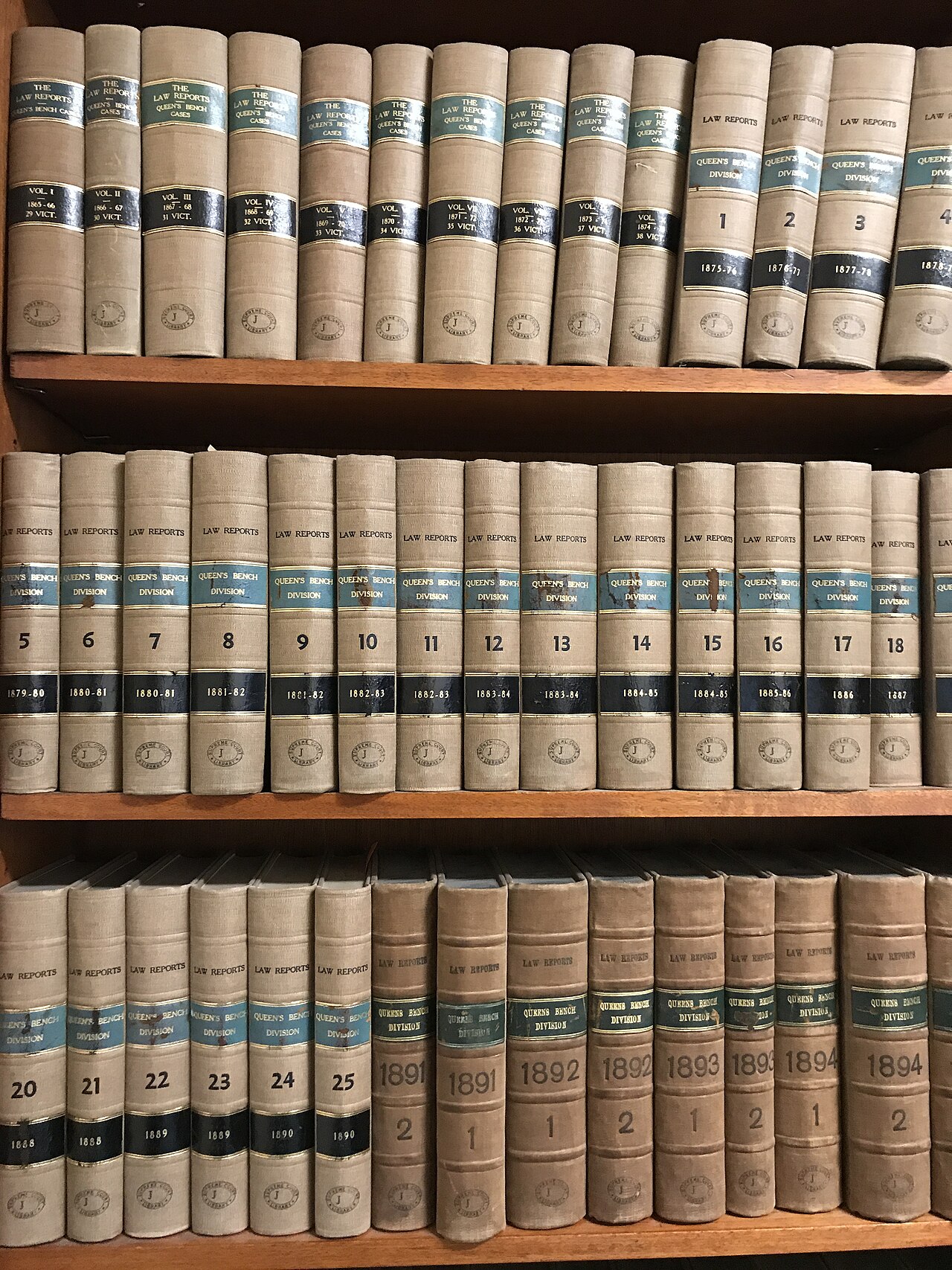
The precise founding moment of the King's Bench remains a matter of scholarly debate. This passage was originally interpreted as the foundation of the King's Bench, with the Common Pleas not existing until the Magna Carta grant. A later theory reversed this, arguing that Henry's decree created the Common Pleas and that the King's Bench split from it at a later date. After that point, the King's Bench survived as a division within the High Court rather than as a standalone institution, ending centuries of independent existence.
Gallery




Frequently Asked Questions
What does 'bench' refer to in a courtroom setting?
In legal usage, 'bench' points to the raised seat or platform where a judge presides over proceedings. It also serves as a shorthand for the judiciary as a whole group of judges within a given court.
How does 'bench' contrast with 'bar' in legal terminology?
The distinction separates judges (colloquially called 'the bench') from practicing lawyers or advocates (known as 'the bar'). When both groups are referenced together, the phrase 'bench and bar' encompasses every judge and attorney in the system.
What happens during a 'full bench' session?
A full bench, also called an en banc hearing, takes place when every judge assigned to a particular court sits together to decide a matter. This is contrasted with smaller panels that typically handle routine cases.
What is a 'bench trial' and how does it differ from a jury trial?
A bench trial is one in which the judge alone hears evidence and renders a verdict, with no jury present. The term 'bench' here refers back to the judge's role as the sole fact-finder and decision-maker.
Why is the term 'bench' significant in legal language?
It functions as a metonym that lets people refer to the entire judiciary without listing individual judges by name. The word anchors several related legal concepts—bench trials, benchers, full courts—making it a foundational piece of courtroom vocabulary.
More in Legal Systems & Courts 1-24
Elsewhere in the Legal Systems & Courts universe
Spotted an error? Know more?
This is a living reference — every entry is fact-audited, and reader corrections feed straight into our audit queue. Suggest an edit · See this site's audit record